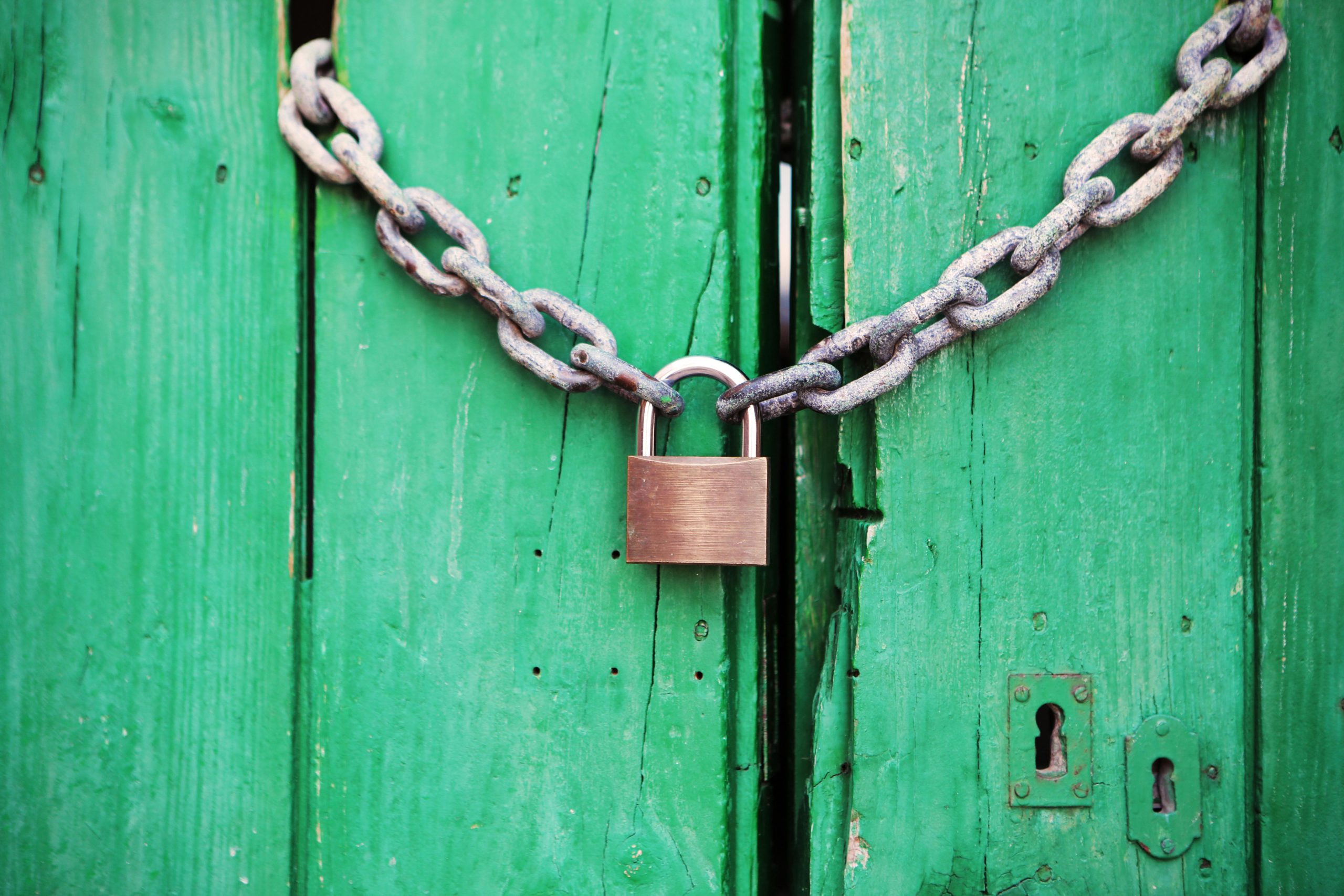
How Emotional Shutdown Shows Up in Conversations
Chances are you’ve had the experience of shutting down during a conversation with your partner.
You’re in the middle of a discussion and she brings up something emotional. Suddenly you notice tension in your body—maybe in your stomach, your chest, or the back of your neck. Your wife or girlfriend wants to talk about her feelings, but you begin to feel trapped in the conversation.
You can’t explain it, but something inside you blocks the words from coming out.
You may go quiet, look down, walk away, or end the conversation abruptly.
Many men have this experience. To your partner, it might look like you don’t care. But that’s not what’s happening inside you.
Instead, you may feel overwhelmed and unable to communicate what’s going on in your mind.
What Emotional Shutdown Feels Like
For many men, this reaction is so automatic that they barely notice it happening.
Your partner may recognize the pattern immediately. She’s seen it before and likely feels frustrated by her inability to reach you.
Some common signs of emotional shutdown include:
-
going quiet during difficult conversations
-
wanting to leave the room
-
feeling overwhelmed or flooded
-
becoming irritated and defensive
You might respond by saying something like:
“I don’t know what you want me to say.”
Or you might shift the conversation toward something that annoys you about your partner.
Afterward, there’s a good chance you don’t feel good about how the interaction went. The tension between you lingers, and the silence between you can feel uncomfortable.
You probably aren’t trying to hurt your partner.
More often, you’re trying to escape the uncomfortable feeling of being unable to express yourself.
Why Problem-Solving Can Create Distance in Relationships
In many areas of life, you’re used to being a problem solver.
At work, someone asks you to handle a project and you get it done. At home, when something breaks, you fix it or find someone who can.
Taking action is natural for you.
But when problem-solving enters emotional conversations, it can create distance.
When your partner shares something personal or emotional, she may not be looking for a solution. She may simply want to feel understood.
If you immediately begin analyzing the situation and offering solutions, she may feel as if you aren’t really listening.
Sitting and listening without fixing anything can feel uncomfortable. It may even feel like doing nothing.
But emotional conversations often work differently than practical problems.
Why Some Men Struggle to Express Feelings
For many men, difficulty expressing emotions has roots earlier in life.
Some men grew up in environments where emotional expression was discouraged. You may have been teased for crying, criticized for showing anger, or told to “toughen up.”
Over time, you may have learned that expressing feelings wasn’t safe or welcome.
As adults, this can leave many men with a limited emotional vocabulary. You may feel a wide range of emotions—hurt, shame, disappointment—but struggle to put them into words.
This creates tension in relationships.
Your partner may see withdrawal or irritation, while internally you may simply feel overwhelmed by emotions you don’t know how to express.
Emotional Defenses and Why We Shut Down
All of us develop psychological defenses that help us cope with emotional stress.
These defenses often operate automatically.
Think about what happens when a doctor taps your knee with a reflex hammer. Your leg kicks out without you deciding to move it.
Emotional defenses can work in a similar way.
When something feels emotionally threatening, your mind may respond by:
-
withdrawing
-
becoming defensive
-
going numb
-
avoiding the situation
These responses may have developed years ago as ways to protect you from emotional pain.
The challenge is that the same defenses that once protected you can begin to create problems in close relationships.
How Emotional Shutdown Creates Relationship Conflict
When emotional shutdown happens repeatedly, it can create a frustrating cycle in relationships.
Your partner reaches out for connection by sharing something important to her.
You begin to feel overwhelmed and withdraw.
She experiences your withdrawal as rejection and may respond with frustration or criticism.
You feel even more pressure and shut down further.
Both of you end up feeling misunderstood.
Over time, this pattern can create resentment and emotional distance.
How Therapy Can Help
Understanding emotional shutdown often begins with curiosity rather than criticism.
Therapy provides space to slow down and look more closely at what happens internally when difficult emotions arise.
This might involve exploring:
-
what triggers emotional shutdown
-
how conflict was handled in your family growing up
-
how you learned to cope with difficult emotions
As you begin to understand these patterns, new ways of communicating can gradually develop.
In some cases, couples therapy can also be helpful in improving communication between partners.
When to Consider Talking With a Therapist
If emotional shutdown is affecting your relationships, talking with a therapist can help you better understand what’s happening and learn new ways of responding.
I specialize in working with men who feel emotionally stuck in their relationships and want to better understand themselves.
My office is located in Montville (Morris County), New Jersey, and I also offer virtual therapy throughout New Jersey. My practice specializes in work with men and with individuals navigating infidelity, though I work with a range of people outside of these categories, too.
You can contact me at 201-248-5552 or cmgsnyder@gmail.com to schedule a 15-minute consultation.